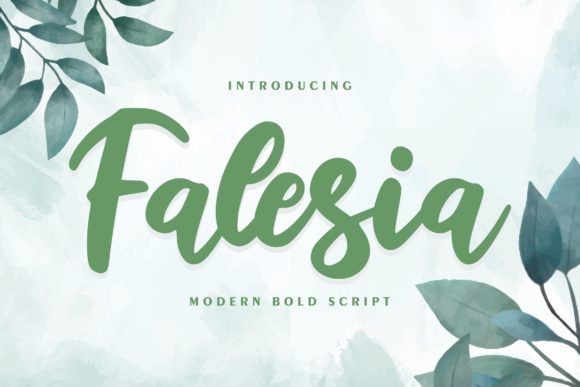
Falesia: A Bold Handwritten Font
Falesia is a stunning handwritten font that brings a unique personality to digital design. Its elegant yet bold lettering makes it ideal for web projects where visual impact and readability matter. As a web designer, I appreciate how Falesia adds character without sacrificing clarity, making it a versatile choice for various digital applications.
With its flowing strokes and natural feel, Falesia exudes a sense of creativity and warmth. It’s perfect for designs that aim to evoke emotion or establish a personal connection with the audience. Whether used in headers, logos, or decorative elements, Falesia can elevate the overall aesthetic of a website while maintaining a professional tone.
Using Falesia in Web Design
Falesia shines in hero sections, call-to-action buttons, and website headers. Its expressive style helps draw attention and create a memorable first impression. For example, on a creative portfolio site, using Falesia for the main heading can immediately communicate the designer's artistic flair.
In landing pages, Falesia works well for short phrases or taglines. Its legibility at larger sizes ensures that key messages stand out without overwhelming the viewer. When paired with a clean sans serif font for body text, it creates a balanced layout that’s both visually engaging and easy to read.
For online stores, Falesia can be used in banners or product headings to add a touch of elegance. It’s especially effective for boutique brands that want to convey a handmade or artisanal vibe. On social media graphics or email newsletters, Falesia adds a personal and authentic feel that resonates with audiences.
Readability and Visual Hierarchy
When using Falesia in web design, it’s important to consider its readability across different screen sizes and backgrounds. At smaller sizes, such as on mobile buttons or navigation menus, Falesia may lose some clarity. In these cases, it’s best to use it for decorative accents rather than primary text.
On dark backgrounds or image overlays, Falesia maintains good contrast when used with light-colored text. However, ensure that the font weight is sufficient to prevent it from appearing too thin or fragile. For responsive layouts, test Falesia at various breakpoints to confirm that it remains legible and retains its intended style.
As a display font, Falesia excels in headlines and section titles. It helps establish visual hierarchy by drawing the eye to key content areas. When designing a coaching website or course sales page, using Falesia for subheadings can guide users through the content while keeping the design cohesive.
Font Pairing and Brand Identity
Pairing Falesia with other fonts can enhance its effectiveness in web design. A common approach is to pair it with a simple sans serif font for body copy. This combination balances the ornate nature of Falesia with the clean lines of a modern typeface, resulting in a professional and readable layout.
For editorial-style websites or blog headers, pairing Falesia with a serif font can create a more traditional and sophisticated look. This pairing is particularly effective for content-heavy sites where a refined aesthetic is desired. In contrast, using Falesia with a bold sans serif can produce a dynamic and contemporary feel suitable for tech startups or SaaS platforms.
When building a brand identity, Falesia can serve as a key element in logo design or branded assets. Its handwritten style adds a human touch that can differentiate a brand from competitors. However, ensure that the font is available in multiple weights and styles to support consistent use across different mediums.
Commercial Use and Licensing
Before using Falesia in client projects or commercial websites, verify the licensing terms. Most premium fonts require a separate license for web use, especially if they are distributed across multiple domains or used in templates.
If you're working on an online store or digital template, check whether the font includes webfont formats like WOFF or WOFF2. These formats ensure smooth rendering across different browsers and devices. Additionally, confirm that the font supports multilingual characters if your audience speaks languages beyond English.
For designers who frequently work with fonts, having access to a wide range of styles and alternates can improve workflow efficiency. Falesia’s availability in different weights and variants allows for greater flexibility in design projects, whether for a creative portfolio or a digital brand kit.
Practical Applications of Falesia
Consider using Falesia for a wedding invitation website, where its elegant script style complements the theme. On a blog header, it can create a distinctive visual identity that aligns with the content’s tone. For a product landing page, Falesia can be used in headline text to capture attention and encourage engagement.
In a digital ad campaign, Falesia can be applied to headlines or call-to-action buttons to make the message more compelling. Its handwritten appearance adds a sense of authenticity that resonates with users. When designing a course sales page, using Falesia for the title can help set the right tone and build trust with potential customers.
Whether you’re creating a creative portfolio, a boutique online store, or a coaching website, Falesia offers a stylish and functional solution. Its versatility makes it a valuable addition to any designer’s toolkit, especially when looking to enhance brand presence and user experience.